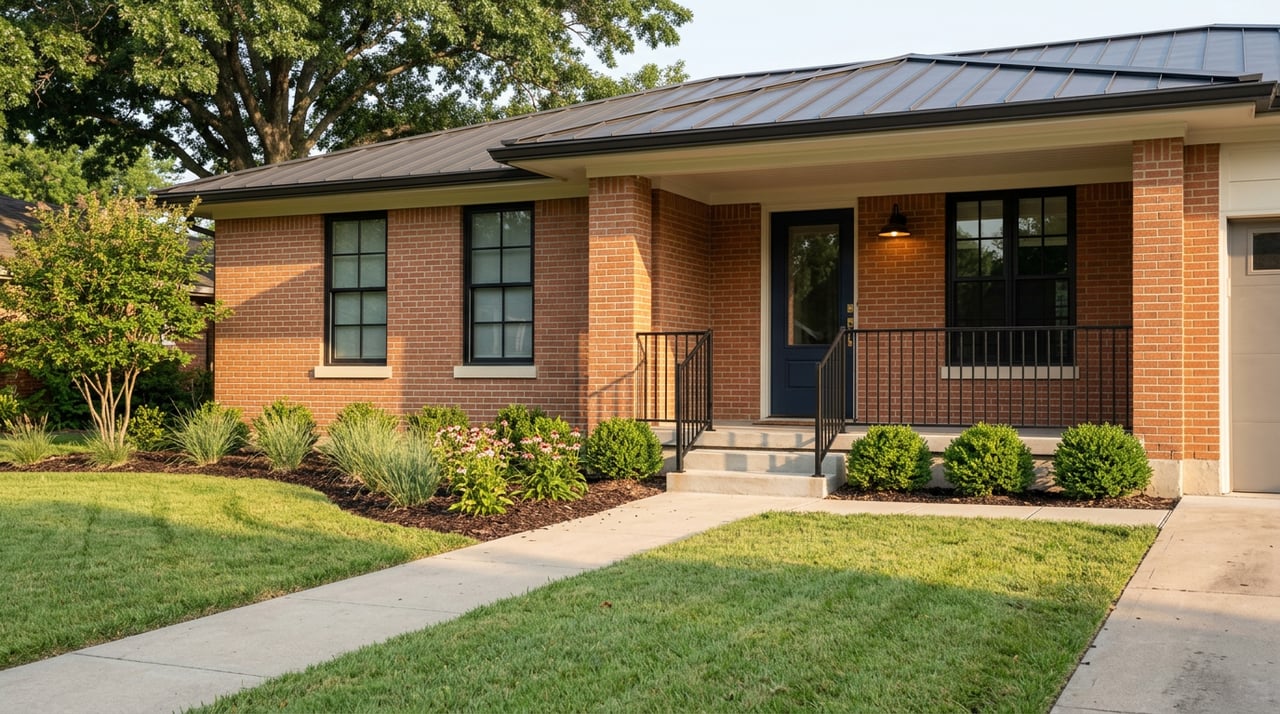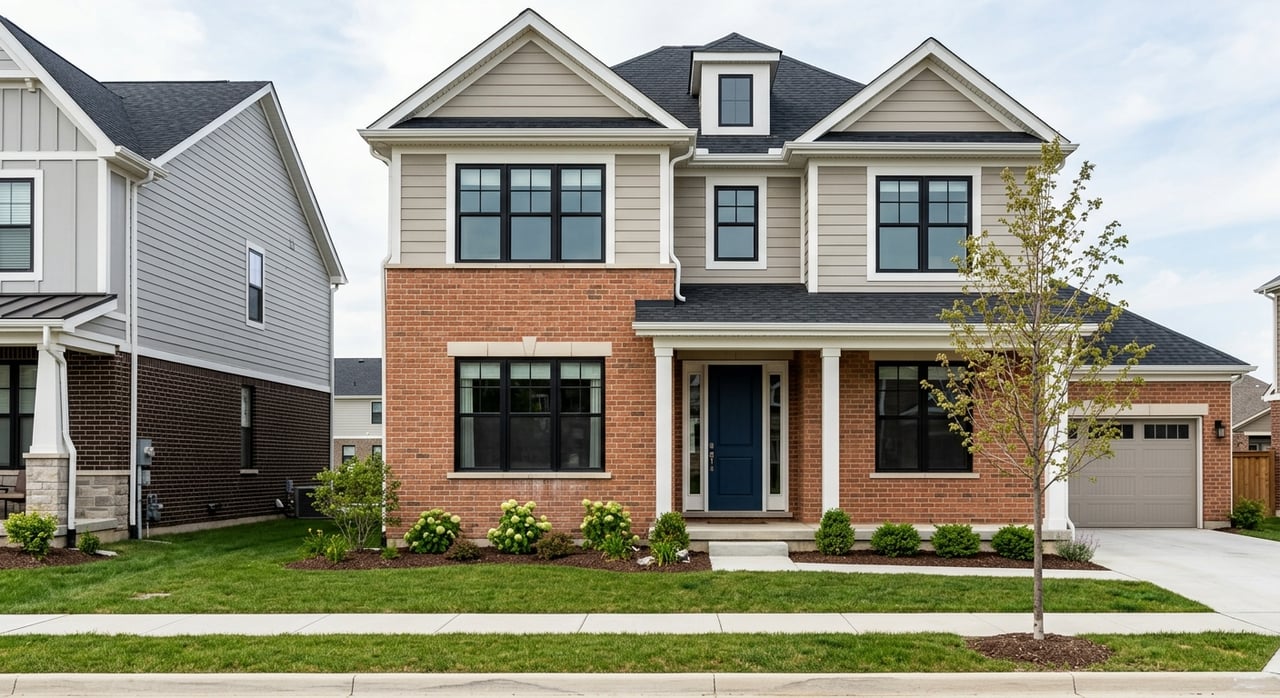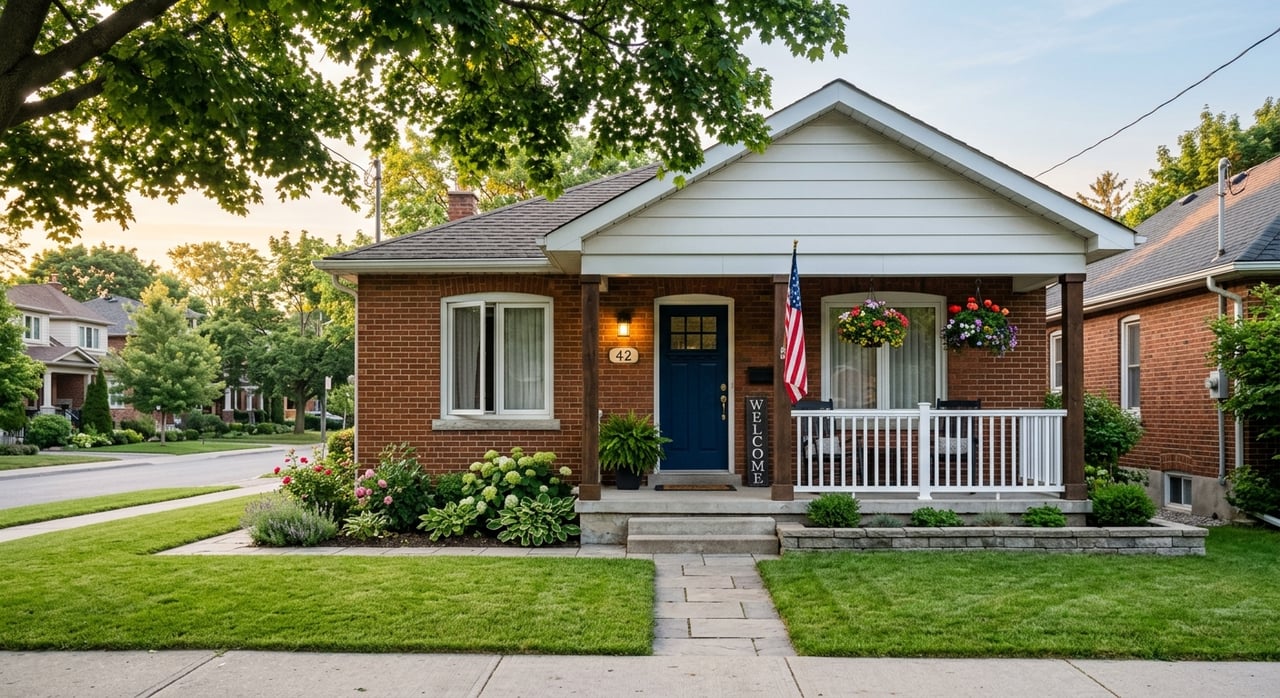
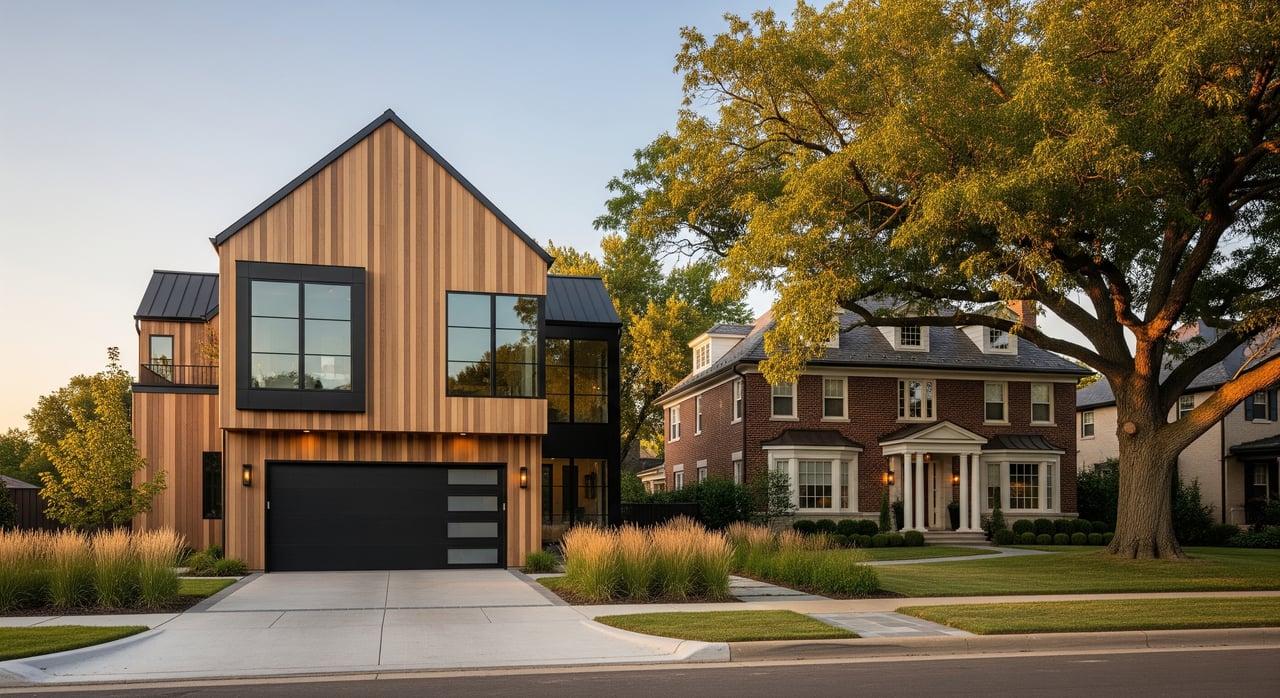
Thinking about a new build or a resale in Southwind but not sure which is the smarter move? You are not alone. The decision touches your budget, your timeline, and how you want to live day to day. In this guide, you will learn how new construction and resale homes compare in Southwind, what questions to ask, and how to protect your investment with practical, local steps. Let’s dive in.
First, clarify Southwind’s details
Before you compare options, confirm exactly where the Southwind neighborhood sits and which city or jurisdiction governs it. That affects taxes, permits, utilities, and schools.
- Verify whether your target address falls within Olathe, Overland Park, Shawnee, or unincorporated Johnson County.
- Use Johnson County’s parcel tools and the applicable city planning department to confirm jurisdiction, zoning, and permitting steps.
- Confirm school district boundaries using district maps and the Kansas State Department of Education.
A quick way to ground your research is to look up property records through the Johnson County Appraiser. You can confirm parcel details and tax history using the county’s official resource. Check the Johnson County Appraiser for parcel values and property tax data.
New construction vs resale at a glance
| Factor | New Construction | Resale |
|---|---|---|
| Price structure | Base price plus lot premiums and upgrades; builder incentives may offset some costs | List price with room to negotiate based on condition and days on market |
| Timing | Build cycle with potential weather, inspection, or supply delays | Faster closing and move-in timeline |
| Customization | High control over finishes and layout within builder options | Limited to what exists, with later remodeling as needed |
| Maintenance (first 5 years) | Lower near-term maintenance; new systems and appliances | Potential repair or replacement of aging systems |
| Energy and code | Built to current code; often higher efficiency packages | Efficiency varies by age and updates |
| Financing complexity | Construction-to-permanent or builder-preferred lender options; appraisal timing matters | Traditional mortgage; standard appraisal and inspection paths |
| Warranty | Workmanship/systems/structural coverage typical, terms vary by builder | No builder warranty; rely on inspections and service records |
| Neighborhood feel | Ongoing construction and evolving amenities until buildout | Established streetscape, mature trees, and known HOA patterns |
| Landscaping | Often minimal at delivery; additional cost later | Usually established landscaping already in place |
| Resale predictability | Newer systems and energy features can appeal to future buyers | Historic comps provide context for pricing and time to sell |
Purchase price and out-of-pocket costs
New construction costs
Builders typically advertise a base price that excludes many desirable items. Expect the final price to reflect:
- Lot premiums for location, orientation, or features like walkout basements.
- Design-center upgrades such as flooring, cabinetry, lighting, and appliance packages.
- Interim items that may not be included, like full landscaping, fencing, or window coverings.
- Builder incentives, which sometimes lower closing costs or buy down your rate. Always compare the net cost after incentives.
Resale costs
With a resale, your immediate costs depend on condition, market time, and seller motivation.
- You can negotiate price or ask for seller credits based on inspection findings.
- Budget for repairs or updates such as roof work, HVAC, water heater, or cosmetic renovations.
- If you plan to sell a current home to fund the purchase, factor in prep and staging costs.
Financing and appraisal factors
New construction financing
New builds can follow a construction-to-permanent loan or use the builder’s preferred lender. Incentives can be attractive, but compare the total package and read the fine print.
- Appraisals occur near completion. If upgrades push price above comps or the market shifts during the build, an appraisal gap can occur.
- Rate volatility over a 6 to 12 month build introduces risk. Ask about rate-lock options, buydowns, and the cost of extending locks if delays occur.
Resale financing
Financing a resale is typically more straightforward.
- You can close faster with a conventional mortgage.
- Standard inspections allow you to renegotiate or request repairs if issues arise.
Timeline, predictability, and risk
New construction timing
Build timelines depend on weather, trade availability, material lead times, and inspection schedules. Change orders can push timelines and budgets. Get expected start and completion dates in writing and ask how delays are handled.
- Confirm the builder’s backlog and city inspection process in the applicable jurisdiction.
- Ask whether you can conduct independent inspections at framing and before drywall.
Resale timing
Resales usually have a shorter, predictable path to closing. You can often sync your move with work or school schedules more easily because the home is complete. The main timing variables are loan processing, appraisal, and any agreed-upon repairs.
Condition, maintenance, and near-term expenses
New construction condition
You start with new systems, modern materials, and current code compliance. Near-term maintenance is usually minimal. Plan for additional investment in landscaping and outdoor features after closing.
- Review the builder’s written warranty. Many builders use a structure that covers workmanship, systems, and structural components for different time frames. Coverage and processes vary by builder.
Resale condition
Resales may offer established landscaping and a finished neighborhood feel. Systems age out over time. A thorough inspection, sewer scope where applicable, and radon test are smart due diligence steps in Johnson County. Keep records of maintenance and permits to support future resale value.
Energy efficiency and building standards
New homes reflect the latest building codes and often include higher-efficiency windows, insulation, and HVAC. Some builders offer optional efficiency packages. Resales can be efficient too, particularly if they have updated mechanicals or insulation, but performance varies by age and renovation quality.
- Ask for utility history on resales and request the specifications for HVAC, windows, and insulation on new builds.
Community factors and long-term resale
Neighborhood maturity affects your daily experience and your exit strategy.
- Newer phases can mean ongoing construction traffic and evolving amenities until full buildout. HOA rules and dues may update as phases are added.
- Established areas typically have known traffic patterns, HOA practices, and a consistent streetscape.
- Future development and school capacity can shape long-term demand. Review city planning maps and school district reports to understand what is coming.
A five-year cost framework you can use
Create a simple worksheet to compare total cost of ownership for the first five years.
- New construction: base price, lot premium, upgrades, closing costs after incentives, landscaping and fencing, window coverings, and any special assessments or connection fees.
- Resale: purchase price, expected repairs or replacements, renovation budget, inspection findings, and seller credits.
- Both: property taxes, homeowners insurance, utilities, HOA dues, and routine maintenance.
Use your lender’s estimates for monthly costs and your inspector’s findings to refine the numbers. Update as you receive bids from contractors.
Questions to ask a builder
Bring this list to your model-home or builder meeting.
- What is included in the base price and what are common upgrade costs?
- How are lot premiums set, and which lots carry higher pricing?
- What is the estimated start and completion date, and how are delays handled?
- Can I hire third-party inspections at framing, energy testing, and final walk-through?
- What are the written warranty terms for workmanship, systems, and structure, and how do I file a claim?
- Which utilities serve the lot and what connection fees or special assessments apply?
- Do incentives require using a preferred lender and, if so, what are the tradeoffs?
- Are there future phases or planned amenities that could affect traffic, dues, or density?
Questions to ask when buying a resale
Use this checklist during showings and before you write an offer.
- What are the ages and service histories of the roof, HVAC, water heater, windows, and major appliances?
- Were renovations permitted and inspected? Can the seller provide documentation?
- Any known drainage or flooding issues, noise concerns, or easements on the property?
- Which items did the inspection in the past highlight and how were they addressed?
- What are the HOA rules, dues, and any special assessments?
If you need to sell and build at the same time
Coordinating a sale with a new build requires planning. Consider these common paths.
- Contingent offer: Your purchase depends on selling your current home. You limit risk but may be less competitive with the builder.
- Bridge financing or HELOC: Access equity for the new build while you prepare your sale. Weigh carrying costs carefully.
- Sell then build: Close on your sale first and rent or arrange a short-term lease-back while the new home is finished.
Pick the route that balances certainty with cost. Align timelines with your builder’s production schedule and your lender’s rate strategy.
Local due diligence resources
- For parcel data, assessed values, and tax history, use the official Johnson County resource at the Johnson County Appraiser.
- Confirm jurisdiction, permitting, and inspection schedules with the city planning or Johnson County Planning & Zoning office that governs the address.
- For school boundaries and capacity planning, review the applicable district’s website and the Kansas State Department of Education.
- For environmental items like radon guidance, consult Johnson County Health or the Kansas Department of Health and Environment.
Who benefits most from each option
- Choose new construction if you want customization, lower near-term maintenance, and the latest energy features, and you can manage a longer timeline with potential cost changes.
- Choose resale if you value an established neighborhood environment, faster move-in, and the chance to negotiate price and repairs based on inspection results.
When you evaluate homes, let your budget, timeline, and tolerance for project complexity guide the decision.
If you want help weighing costs, incentives, and timing in Southwind, talk with a team that will cut through noise with clear, data-led guidance. Start a conversation with RE/MAX ONE to map your best path forward.
FAQs
What is the main price difference in Southwind new vs resale?
- New construction starts with a base price and often rises with lot premiums and upgrades, while resales hinge on list price and negotiation after inspections.
How long does a Southwind new build usually take?
- Build time varies with weather, inspections, materials, and builder backlog; plan for a longer timeline than a resale and ask for written milestones.
Do new-home warranties in Johnson County cover everything?
- Warranties typically split coverage among workmanship, systems, and structure, but exact terms vary by builder, so review the written warranty and claims process.
Which has lower five-year costs in Southwind?
- It depends on upgrades and landscaping for new builds versus repair and replacement needs for resales; compare total ownership costs with your inspector and lender.
How do schools and future development affect value in Southwind?
- Boundary assignments and nearby development can shape demand and traffic; review district maps and city planning information before you buy.
Ready to compare options on your timeline and budget? Connect with RE/MAX ONE for clear next steps and a data-driven plan.