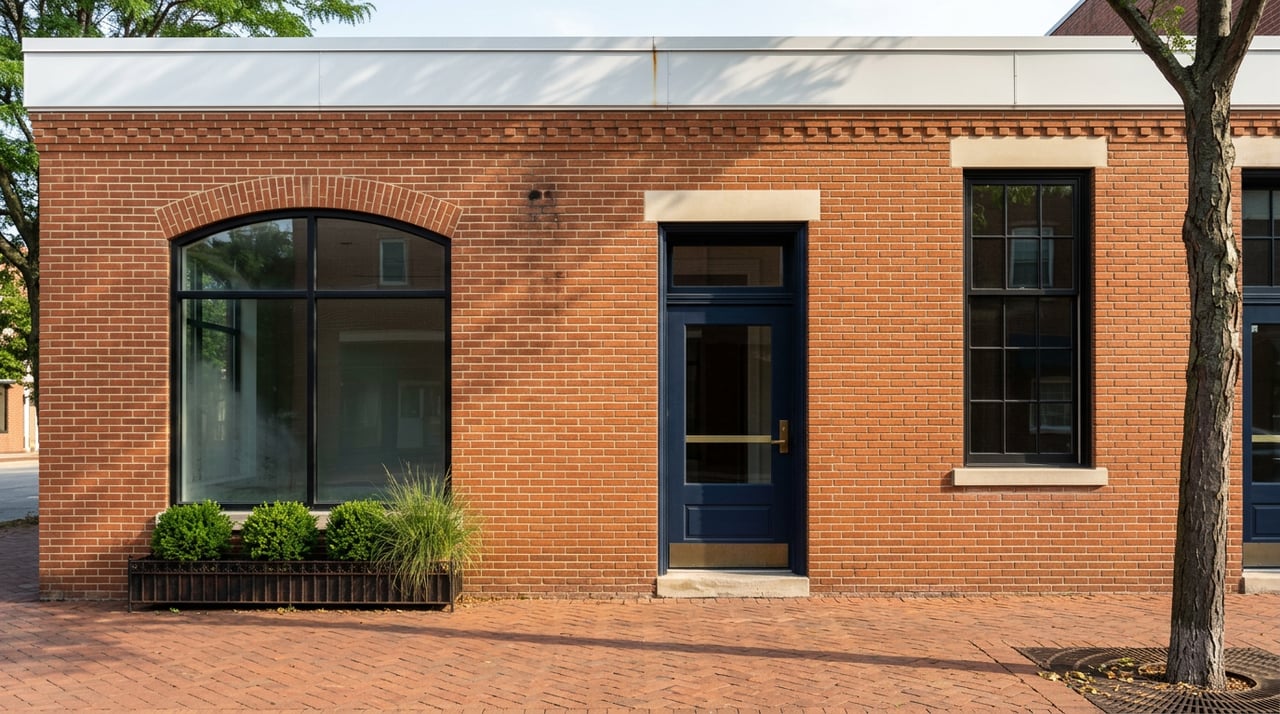
If you are looking at a commercial property in Garden City, a triple-net lease can sound simple at first glance. Then you realize that base rent is only part of the story, and the real value often sits in the details of taxes, insurance, maintenance, and lease language. This guide will help you understand how triple-net leases work in Garden City, what local factors can affect your numbers, and what to review before you commit. Let’s dive in.
What a triple-net lease means
A triple-net lease, often called an NNN lease, is a commercial lease where the tenant pays base rent plus key operating costs. Those costs commonly include property taxes, insurance, and common-area maintenance, often called CAM.
That structure can create more predictable cash flow for an owner because many day-to-day operating costs are passed through to the tenant. For you as an investor or owner-occupier, the tradeoff is that the lease has to clearly define which costs are included and which are not.
In Garden City, this matters whether you are reviewing a small retail building, a single-tenant commercial site, or a multi-tenant property. A quote for rent alone does not tell you the full occupancy cost or the full income picture.
NNN leases are not always identical
Not every triple-net lease covers the exact same expenses. Some are close to an absolute NNN structure, while others still leave certain structural or capital items with the landlord unless the lease specifically says otherwise.
That is why two properties with similar rent can perform very differently. The wording around repairs, replacements, and operating expenses can change the economics in a meaningful way.
Single-tenant and multi-tenant leases work differently
NNN leases are common in freestanding or single-tenant buildings. In those cases, the tenant may take on more direct responsibility for maintenance and repairs.
In multi-tenant buildings, operating expenses are usually allocated by a pro-rata share based on the space occupied. That means you need to understand how the share is calculated and how reconciliations are handled.
Why Garden City investors should pay attention
Garden City has an economic base that supports a wide range of commercial users. The city identifies agribusiness, retail, education, and healthcare as core parts of the local economy, and major employers include Tyson Fresh Meats, USD 457, St. Catherine Hospital, Garden City Community College, and Finney County.
The city also describes itself as a regional hub with highway, rail, intermodal, and airport connections. For commercial property owners, that can support demand from tenants tied to processing, logistics, healthcare, education, and local service uses.
Local tax treatment can affect your lease math
Kansas assesses commercial real property at 25% of appraised value. In practical terms, that means property tax pass-throughs in a Garden City NNN lease can be significant, even for smaller commercial assets.
Finney County's 2026 market study says the commercial and industrial market is mixed and depends on the segment, with a general trend support in the plus-5% to plus-10% range. If a property value changes, that can affect taxes and, in turn, the tenant's total occupancy cost or your underwriting.
Timing matters in Finney County
The county appraiser mails value notices by March 1, and owners have 30 days from mailing to appeal. If you are reviewing a property with a triple-net lease, this timeline matters because changes in assessed value may flow through to the numbers you are counting on.
Kansas and Finney County also treat tangible personal property separately. The county appraiser's office says business personal property must be listed for assessment on January 1 and filed by the March 15 deadline.
That means your lease should clearly state whether the tenant pays only real estate taxes or also taxes tied to tenant-owned equipment, fixtures, or other business personal property. Without that clarity, disputes can start where you least want them, in ongoing operating expenses.
What costs are usually passed through
The expense clause is often the most important section of an NNN lease. It tells you what the tenant will reimburse and what the owner may still need to cover.
Typical pass-through items may include:
- Real estate taxes
- Property insurance
- Common-area utilities
- Landscaping
- Snow removal
- Parking lot upkeep
- Janitorial service
- Security
- Property management fees
- Administrative fees, in some leases
Even when a cost is common in commercial leasing, it should still be spelled out. Clear definitions help you compare properties more accurately and reduce the chance of future disputes.
What may be excluded or negotiated
Some expenses are often excluded from CAM or operating expense pass-throughs. Common examples include debt service, leasing commissions, tenant build-out costs, depreciation, and major capital expenditures or structural improvements.
A full roof replacement or major HVAC replacement, for example, is often handled by the landlord unless the lease says otherwise. In some cases, those costs can be negotiated into the lease on an amortized basis, but that should be stated clearly.
Lease terms worth reviewing closely
A good NNN investment is not just about rent level. It is about how the lease allocates risk, how easy the property is to manage, and how durable the income may be over time.
Review the expense mechanics
You will want to verify how pro-rata share is calculated, when reconciliations happen, and whether controllable CAM charges are capped. Audit rights also matter because they give the tenant a path to review expense calculations.
In a multi-tenant building, these details help you understand whether reimbursements are likely to be stable and defensible. In a single-tenant building, they help clarify who is responsible for direct maintenance and repairs.
Check repair duties carefully
In single-tenant properties, more maintenance responsibility often shifts to the tenant. That can be attractive on paper, but it also raises the risk of deferred maintenance if the lease is vague or if the tenant does not keep up with the property.
You should review who handles routine repairs, structural items, building systems, and restoration after damage. The more specific the lease, the easier it is to preserve value and avoid conflict.
Look beyond the rent and expenses
Several other lease terms can influence value and flexibility over time. These terms can affect tenant quality, resale potential, and long-term stability.
Key items to review include:
- Permitted use
- Signage rights
- Parking and access
- Renewal options
- Assignment and subletting rights
- Tenant-improvement allowances
- Repair and restoration obligations
- Holdover terms
- Default remedies
- Any personal guaranty
Garden City due diligence steps
A strong lease still needs to fit the property and the intended use. In Garden City and Finney County, local approvals can play an important role before closing or before a tenant begins improvements.
Confirm zoning and local approvals
Garden City's Planning and Zoning division administers local zoning and subdivision regulations. The city offers zoning use permits, site plan review, rezoning, and final plat applications.
Building Inspections handles permits for commercial buildings, additions, alterations, and signs. If the property is in unincorporated Finney County, the county's Planning and Development division handles zoning and subdivision regulations.
Before you underwrite a new tenancy or build-out, make sure the intended use aligns with local requirements. A good lease does not fix a use that cannot be approved.
Match the tenant to the market
In Garden City, one of the most practical underwriting questions is whether the tenant fits the area's economic mix and transportation access. The city's agribusiness base, regional service role, rail and intermodal links, and airport access can support certain business types better than others.
That does not guarantee performance, but it does help frame demand in a local context. A tenant whose operations align with regional processing, distribution, healthcare, education, or service demand may offer a stronger fit for the market.
When a triple-net lease can work well
A triple-net lease can be a strong fit when the tenant is stable, the lease clearly defines pass-through expenses, and the property does not carry major hidden repair issues. For many investors, that combination can support steadier net operating income and simpler management.
It can also work well for owner-occupiers who want to understand their full occupancy cost upfront and avoid surprises later. The key is not just accepting the label "NNN" at face value, but reviewing exactly how the lease is built.
Warning signs to watch for
A triple-net lease may be less attractive when the lease is vague, when the tenant's business model appears fragile, or when the building has deferred maintenance that could later show up as disputed CAM or repair items.
If the lease language is loose, the owner may end up carrying costs they did not expect. If the property has major condition issues, a seemingly strong rent number can lose appeal fast.
Why lease wording matters so much
For commercial property, net operating income is a key value driver. That means the legal wording of the lease can matter as much as the quoted rent.
A well-drafted lease can protect income, clarify responsibilities, and make the property easier to finance, manage, and sell. A vague lease can do the opposite, especially when taxes, insurance, and maintenance costs start to move.
In Garden City, where assessment timing, local approvals, and pass-through expenses can directly affect your returns, disciplined lease review matters. If you are evaluating a commercial property or comparing lease structures, working with a local team that understands both the market and the numbers can help you make a more confident decision.
If you want a local, data-driven perspective on commercial property in Garden City, connect with RE/MAX ONE for practical guidance backed by Southwest Kansas market knowledge.
FAQs
What is a triple-net lease in Garden City commercial real estate?
- A triple-net lease in Garden City usually means the tenant pays base rent plus operating costs such as property taxes, insurance, and maintenance or CAM charges, depending on the lease terms.
What expenses should you review in a Garden City NNN lease?
- You should review real estate taxes, insurance, CAM charges, utilities, management fees, maintenance responsibilities, and any exclusions or caps written into the lease.
How do Kansas property taxes affect Garden City triple-net leases?
- Kansas assesses commercial real property at 25% of appraised value, so property tax pass-throughs can have a meaningful impact on total occupancy cost and investment returns.
What local approvals may affect a commercial lease in Garden City?
- Depending on the property and intended use, you may need to confirm zoning use permits, site plan review, sign permits, or other building-related approvals through the City of Garden City or Finney County.
Why does lease wording matter for Garden City commercial investors?
- Lease wording helps determine which costs are passed through, who handles repairs, and how predictable the property's net operating income may be over time.