If you are wondering what daily life really feels like in Garden City, you are not alone. Moving to a new place or simply thinking about a different part of town often starts with one practical question: what would my normal day look like here? From short commutes and easy errands to weekends built around parks, events, and local favorites, Garden City offers a routine that feels connected, convenient, and grounded in community. Let’s dive in.
What Life Feels Like in Garden City
Garden City functions as more than a quiet residential stop. It is a regional hub in Southwest Kansas, with an estimated population of 27,402 as of July 1, 2025, and a mix of employers in agribusiness, retail, education, healthcare, and public service.
That matters to you because daily life here tends to feel practical and well-rounded. Instead of revolving around one industry or one schedule, the city supports many routines at once, from school-day structure and hospital shifts to office hours and industrial work schedules.
The city also feels more connected and diverse than some buyers expect. Census data shows that 50.3% of residents age 5 and older speak a language other than English at home, and the city says 35 languages are spoken in the local school system.
A Typical Garden City Morning
One of the biggest lifestyle advantages in Garden City is time. The average travel time to work is 14.0 minutes, which can make a real difference in how your mornings feel.
Instead of building your day around a long drive, you may have more room for a coffee stop, a school drop-off, or a quick errand before work. The city’s planning documents also highlight easy commutes as one reason people choose to live here.
Morning routines can vary depending on where you live and work, but the overall pattern is simple. Garden City is largely car-oriented, and many day-to-day trips are straightforward, whether you are heading to work, taking care of appointments, or stocking up on basics.
Coffee and Errands Made Simple
If your ideal morning includes a local coffee stop, downtown Garden City gives you that option. Patrick Dugan’s Coffee House has long been part of the downtown scene on Main Street, and the Main Street Market Hub adds another local stop where coffee sits alongside bakery items, snacks, gifts, and small-business goods.
That setup says a lot about the city’s rhythm. You can keep things efficient with quick drive-up stops along major retail areas, or you can slow down a little and build a short downtown stop into your routine.
According to the downtown master plan, shopping patterns have expanded toward Kansas Avenue and the bypass, while downtown continues to hold service businesses, specialty retail, restaurants, coffee shops, and a brewery. In real life, that often means your errands can be completed without turning into an all-day project.
Workdays Fit Many Lifestyles
Garden City’s local economy helps shape a flexible daily rhythm. The city identifies Tyson Fresh Meats, USD 457, St. Catherine Hospital, Garden City Community College, and Finney County as major employers.
For you, that means there is no single "standard" day in town. Some households run on early shifts, some on classroom and office schedules, and others on healthcare hours, which gives the city a steady flow throughout the day rather than a sharp start-and-stop pattern.
This is one reason Garden City can appeal to a wide range of buyers. Whether you work locally, commute within the region, or need a home base with access to services and amenities, the city supports a routine that feels functional without feeling rushed.
After-Work Options Stay Low-Key
Not every community needs a packed nightlife calendar to feel active. In Garden City, after-work life often looks casual, social, and practical.
A good example is the city’s Activity Tasters program, held at Hidden Trail Brewing on the third Thursday of each month. These sessions include topics like self-defense, car maintenance, and other hands-on skills, which reflects the city’s down-to-earth community culture.
That kind of programming gives you options beyond just going home after work. It also shows that local social life can happen in relaxed, approachable settings instead of only during large annual events.
Weekends Center on Parks and Recreation
When the weekend arrives, Finnup Park becomes one of the easiest ways to picture life in Garden City. At 110 acres, it is a major recreation anchor and includes the Municipal Pool, Finney County Historical Museum, and Lee Richardson Zoo.
If you have a family, want flexible outdoor plans, or simply like having several activities close together, that setup is a real asset. You can spend part of a day outdoors, add a museum visit, or plan around seasonal pool time without needing to drive all over town.
The city also highlights Garden Rapids at the Big Pool as a summer recreation option. For residents who enjoy golf, Buffalo Dunes Golf Course adds another weekend outlet, with the city noting a renovation plan scheduled for completion in 2026.
Downtown Brings the Community Together
Downtown Garden City plays a different role on weekends than it does on weekdays. During the week, it can be a quick stop for coffee or services. On weekends and during special events, it becomes more of a gathering place.
Stevens Park, located on Main Street, hosts the annual Summer Concert Series, Beef Empire Days Celebration, and Art-in-the-Park. During the winter season, it also features thousands of holiday lights.
The downtown plan says the area remains the main gathering place for larger community events such as Food Truck Friday, Fiesta Mexicana, and the Beef Empire Days parade. If you are trying to imagine local life here, that is an important detail because it shows how civic events and everyday downtown spaces overlap.
Indoor Plans Are Easy Too
Not every good weekend depends on perfect weather. The Finney County Historical Museum offers year-round exhibits and free admission, making it a useful option when you want something interesting to do indoors.
The museum focuses on the spirit of Southwest Kansas through exhibits, tours, and research collections. For you, that adds another layer to daily life in Garden City because it shows that local recreation is not limited to outdoor spaces or seasonal events.
This kind of option can be especially appealing if you want a city with practical variety. You may not need a long list of attractions if the places you do have are easy to access and woven into normal routines.
Shopping Feels Practical and Local
Garden City’s retail pattern is another part of daily life worth understanding. You will find routine shopping spread beyond downtown, especially around Kansas Avenue and the bypass, which supports convenience for everyday needs.
At the same time, downtown still offers a more local browsing experience. The Main Street Market Hub brings together more than 40 small businesses in one location, with offerings that include clothing, home decor, gifts, coffee, food, snacks, and bakery items.
That balance gives you options. You can handle basics efficiently, then still enjoy a more personal small-business experience when you want to shop locally or spend a slower afternoon downtown.
Housing Shapes Your Routine
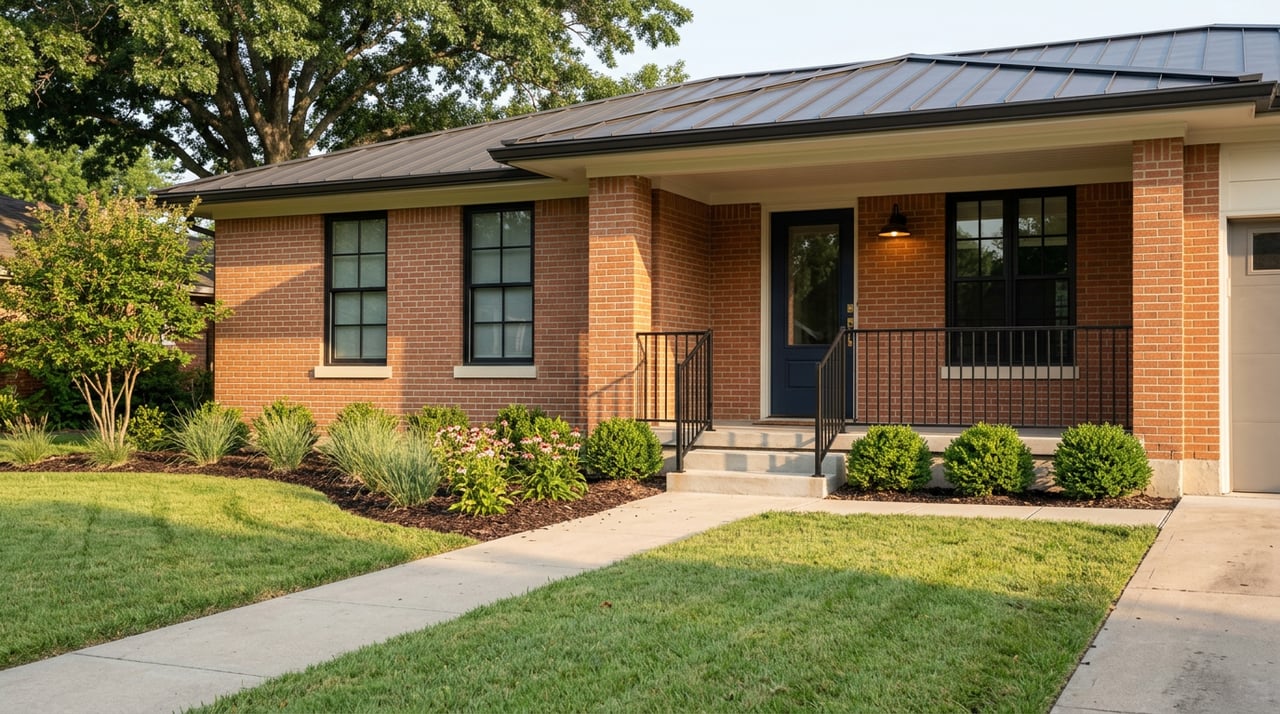
A day in the life also depends on where you live. Garden City’s housing stock is still mostly single-family, with the city’s community assessment reporting that single-family detached homes account for more than 66% of housing units.
At the same time, the housing mix also includes duplex and townhouse-style properties, multi-family buildings, and mobile homes. The city’s broader planning goal is to add 4,000 housing units by 2030 and support housing for a full range of ages and incomes.
For buyers, that means Garden City is not one-size-fits-all. Your daily routine may look different depending on whether you want an older in-town setting, a downtown-adjacent location, or a newer edge-of-city neighborhood.
Older Areas Near Downtown
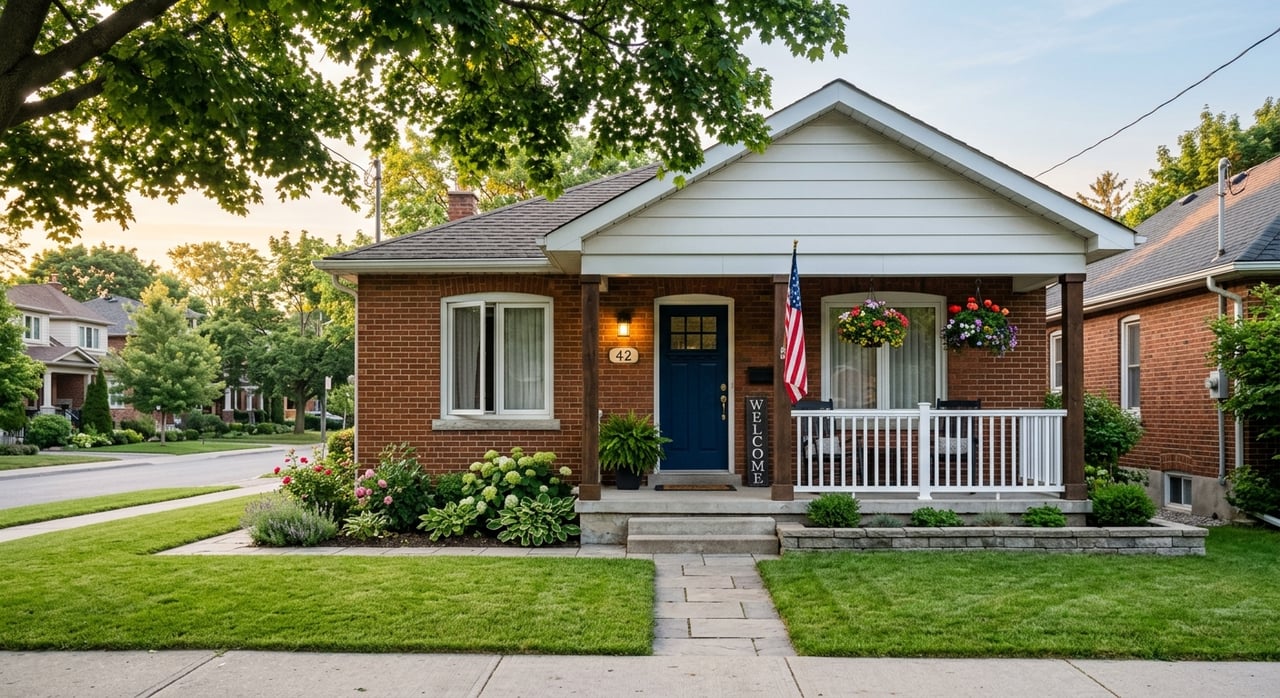
The most walkable in-town feel is generally associated with older neighborhoods near the city core. The community assessment notes that many homes close to downtown were built before 1950.
If you like the idea of established blocks and closer access to downtown stops, this type of setting may fit your lifestyle. Your routine might include shorter drives to Main Street, nearby service stops, and easier access to community events.
Newer Growth Areas
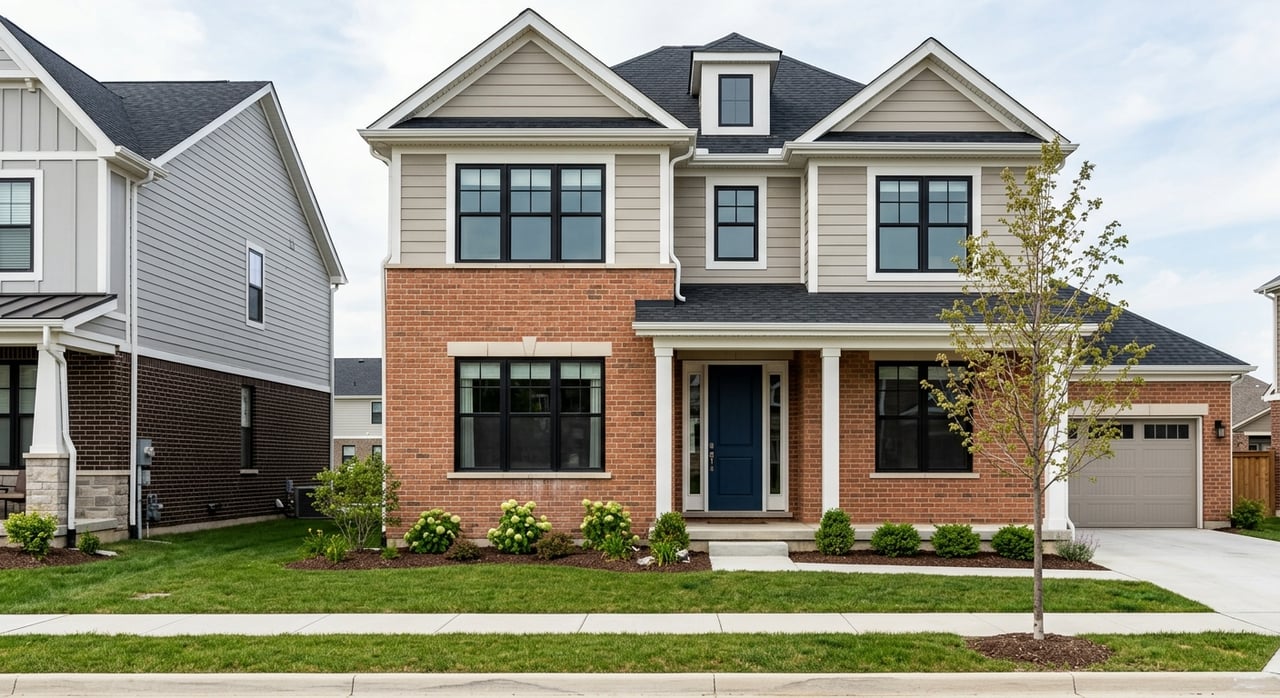
The city’s future land use direction points to residential development west of town, north and east of Garden City, and south along Highway 83. These areas can support a different kind of day-to-day experience.
If you prefer newer subdivision patterns or want a little more separation from the city core, these areas may align better with your goals. In that case, your routine may lean more on direct driving routes, newer development patterns, and quick access in and out of town.
Mixed Housing Possibilities
The downtown plan also supports added housing options such as apartments and townhomes, especially south of the railroad tracks and along older corridors like Fulton Street, Taylor Street, and Kansas Avenue.
That gives Garden City a more flexible housing story than some people expect. Depending on your needs, you may find that different property types support very different versions of daily life while keeping you connected to the same community amenities.
Regional Access Adds Flexibility
Although Garden City is a car-oriented city, it also offers broader transportation connections. The city points to Finney County Transit, Garden City Regional Airport, and Amtrak’s Southwest Chief at the downtown depot.
That matters if your life extends beyond city limits. Whether you travel for work, host out-of-town family, or want regional access without giving up a practical daily routine, Garden City offers more connectivity than many communities of its size.
As the county seat of Finney County and a regional hub, the city also supports services and amenities that help anchor everyday life. That includes community institutions like Garden City Community College, Lee Richardson Zoo, and a commercial airport identified by the city as the third largest in Kansas.
Why Garden City Appeals to Many Buyers
Garden City works well for people who want convenience without constant congestion. You get a short average commute, a practical retail layout, established civic spaces, and a community calendar that feels active but manageable.
It also works for buyers who want choices. You can picture a life centered on older neighborhoods near downtown, newer residential growth areas, recreation around Finnup Park, or a routine tied to one of the city’s major employers.
From a housing perspective, the city shows stable owner occupancy as well, with a 60.2% owner-occupied housing rate. The Census also reports a median owner-occupied home value of $192,000 and median gross rent of $1,052, which helps frame the local market in practical terms.
If you are considering a move, the key takeaway is simple: Garden City offers a daily lifestyle built around access, routine, and community. It is a place where you can get where you need to go, enjoy local amenities without overcomplicating your schedule, and choose a home setting that supports the way you actually live.
When you are ready to explore homes, compare neighborhoods, or get a clearer sense of what fits your routine, RE/MAX ONE can help you make a confident move with local insight and practical guidance.
FAQs
What is daily life like in Garden City, Kansas?
- Daily life in Garden City often centers on short drives, convenient errands, local coffee stops, varied work schedules, and easy access to parks, events, and community amenities.
What is the average commute time in Garden City, Kansas?
- The U.S. Census reports a mean travel time to work of 14.0 minutes in Garden City, which supports a relatively easy daily routine.
What are popular weekend activities in Garden City, Kansas?
- Popular weekend options include visiting Finnup Park, Lee Richardson Zoo, the Municipal Pool, Garden Rapids in summer, Stevens Park events, Buffalo Dunes Golf Course, and the Finney County Historical Museum.
Is Garden City, Kansas walkable or car-dependent?
- Garden City is primarily car-oriented, though city planning documents also emphasize connections to goods and services through direct streets, sidewalks, and trails.
What types of homes can you find in Garden City, Kansas?
- Garden City includes mostly single-family homes, along with duplex and townhouse-style properties, multi-family housing, and mobile homes, with additional housing growth planned in multiple parts of the city.
Is Garden City, Kansas a good fit for relocation?
- Garden City can be a strong fit if you want a regional hub with practical amenities, diverse community life, short commutes, and a range of housing options to match different routines.