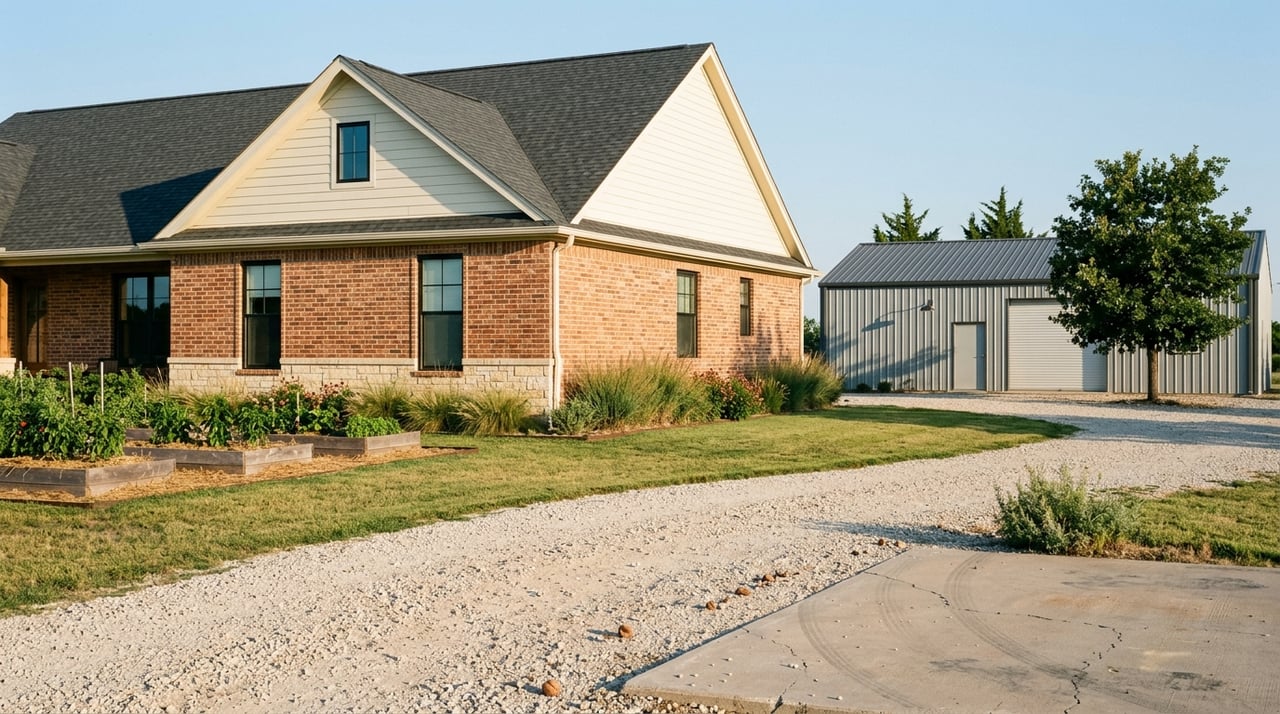
Looking for more elbow room, more privacy, and a property that can support the way you actually want to live? That is the appeal of acreage living in and around Sagebrush Estates near Brown County, Kansas. If you are drawn to space for projects, gardens, equipment, or simply a little more distance from your neighbors, this kind of property can deliver a very different experience than living in town. The key is knowing that extra land brings both opportunity and responsibility. Let’s dive in.
Why acreage feels different here
Brown County is a rural setting by any measure. The county had 9,508 residents in 2020 and an estimated 9,142 in 2024, which helps explain why space and privacy are a real part of the local lifestyle.
That rural character also shows up in land use. The Kansas Department of Agriculture reports 475 farms covering 340,917 acres in Brown County, with $269 million in crop and livestock sales in 2022. In practical terms, that means acreage buyers here are stepping into a place where open land, working ground, and room to spread out are already part of the landscape.
Space for projects and hobbies
One of the biggest benefits of acreage is flexibility. You may have room for a garden, a detached shop, equipment storage, a hobby workspace, or outdoor areas that are simply harder to create on a smaller lot.
That said, rural space is not the same as unlimited use. Brown County notes that it is a zoned county, and the county’s pages show active zoning-related rules and construction codes. If you are thinking about adding a barn, shop, or other structure, it is smart to verify the parcel record and current requirements before you make plans.
Privacy starts with the plat
Privacy is one of the first things buyers notice on acreage, but it should be confirmed with records, not just first impressions. The Brown County Register of Deeds records deeds, mortgages, plats, and surveys, which makes the recorded plat the best place to confirm lot lines, easements, and subdivision-specific details.
If you are buying in Sagebrush Estates, this step matters. A property can feel secluded while still having easements, access considerations, or layout details that affect how private it will be over time. Checking the plat early gives you a clearer picture of what you are really buying.
Gardens depend on your exact site
Acreage often inspires plans for trees, landscaping, raised beds, or a full garden. That can absolutely work in Brown County, but results can vary from one part of a parcel to another.
According to the USDA Plant Hardiness Zone guidance, hardiness zones are only a guide, and microclimates matter. A sheltered area may be warmer than an exposed one, while wind, slope, and sun can all affect how plants perform.
Brown County’s soil survey also shows meaningful differences across the landscape, including well-drained loams, clay uplands, and lower positions that may hold more moisture. Some soils have slow permeability, high runoff, or shrink-swell potential. That is why it is wise to check drainage before building a pad, choose planting areas by exposure, and consider raised beds or wind protection when needed.
Soil and drainage matter for improvements
If you want acreage for projects, the ground itself deserves a close look. Soil conditions can affect where you place outbuildings, how a driveway performs, how water moves after a storm, and whether a certain area is practical for landscaping or construction.
The NRCS Web Soil Survey is the official source for property-specific soil information. For buyers who want to think ahead, this is one of the most useful tools for understanding whether a parcel supports your plans with fewer surprises.
Wells are a major acreage difference
One of the clearest differences between town living and acreage living is water service. The Kansas Geological Survey says nearly all rural domestic water in Brown County comes from privately owned wells, with depths commonly ranging from about 20 to 200 feet and yields that vary widely.
That matters because two properties in the same area may not function exactly the same way. The same source notes that drought shortages have sometimes led residents to use cisterns. If you are comparing acreage homes, well capacity, condition, and records should be part of your due diligence from the start.
Septic feasibility should come early
Wastewater is another important acreage topic. The Kansas Department of Health and Environment says domestic wastewater must be handled by an approved sewage collection system, lagoon, septic system, alternative system, or permitted treatment plant. It also states that seepage pits, cesspools, and dry wells are prohibited under its onsite wastewater standards.
For buyers, the takeaway is simple: well and septic feasibility should be checked early, not after you are emotionally committed to a property. If you hope to expand a home, add a structure with plumbing, or make major site changes, this can become even more important.
Burn rules affect seasonal cleanup
Acreage ownership usually means more outdoor maintenance. Tree limbs, leaves, grass clippings, and general cleanup are part of the rhythm of rural property, and Brown County has specific rules that owners should know.
The county allows open burning only by permit and requires dispatch notification before and after the burn. Burns are not allowed when sustained wind is 20 mph or higher or when the National Weather Service rangeland fire index is high, very high, or extreme. The county also says hay bales may not be burned. You can review current Brown County burn permit rules before making cleanup plans.
For disposal alternatives, the county landfill and trash page lists tree limbs, leaves, and grass clippings among accepted materials, while household hazardous waste is not accepted. That is a helpful reminder that acreage maintenance often involves a little more planning than a standard in-town lot.
Permits can affect future plans
It is easy to picture a future shop, barn, addition, or relocated building on acreage. In many cases, those ideas may be possible, but the smart answer is always to verify first.
Brown County says that any construction or deconstruction in a floodplain requires a permit, and the County Clerk issues building-moving permits. If your long-term vision includes site work or structural changes, checking floodplain status, zoning, easements, and permit requirements can help you avoid costly surprises. The county’s floodplain and building permit information is a good place to start.
The real tradeoff of acreage living
Life on acreage often comes down to a tradeoff that many buyers are happy to make. You get more room, more privacy, and more flexibility for how you use your property. In exchange, you take on more responsibility for water, wastewater, drainage, maintenance, and the practical details that come with land.
For the right buyer, that is exactly the point. If Sagebrush Estates appeals to you, the opportunity is not just a bigger lot. It is the chance to create a property that fits your routines, hobbies, and long-term plans with a little more breathing room.
When you are evaluating acreage, clear information matters. The team at RE/MAX ONE can help you think through the records, site factors, and practical questions that shape a confident land or home purchase.
FAQs
What makes acreage living in Brown County different from living in town?
- Acreage living often means more space and privacy, but it also commonly involves private wells, onsite wastewater systems, more land maintenance, and more site-specific planning.
Can you add a shop or barn in Sagebrush Estates?
- You may be able to, but you should verify the recorded plat, easements, zoning, floodplain status, and current county requirements before making plans.
Do gardens and trees grow the same everywhere on a Brown County acreage property?
- No. USDA guidance says microclimates matter, and Brown County soils vary in drainage, runoff, and shrink-swell behavior, so planting success can differ across the same parcel.
Why should you check well and septic issues early on an acreage property?
- Water supply and wastewater setup are core parts of rural property function, and feasibility can affect daily use, future improvements, and overall property suitability.
How do you confirm lot lines and easements for a property in Brown County?
- The best place to start is with recorded deeds, plats, surveys, and related documents through the Brown County Register of Deeds.
Are there special cleanup and burning rules for acreage owners in Brown County?
- Yes. Open burning requires a permit, dispatch notification, and weather-related compliance, and some materials are handled through county disposal rules instead of burning.