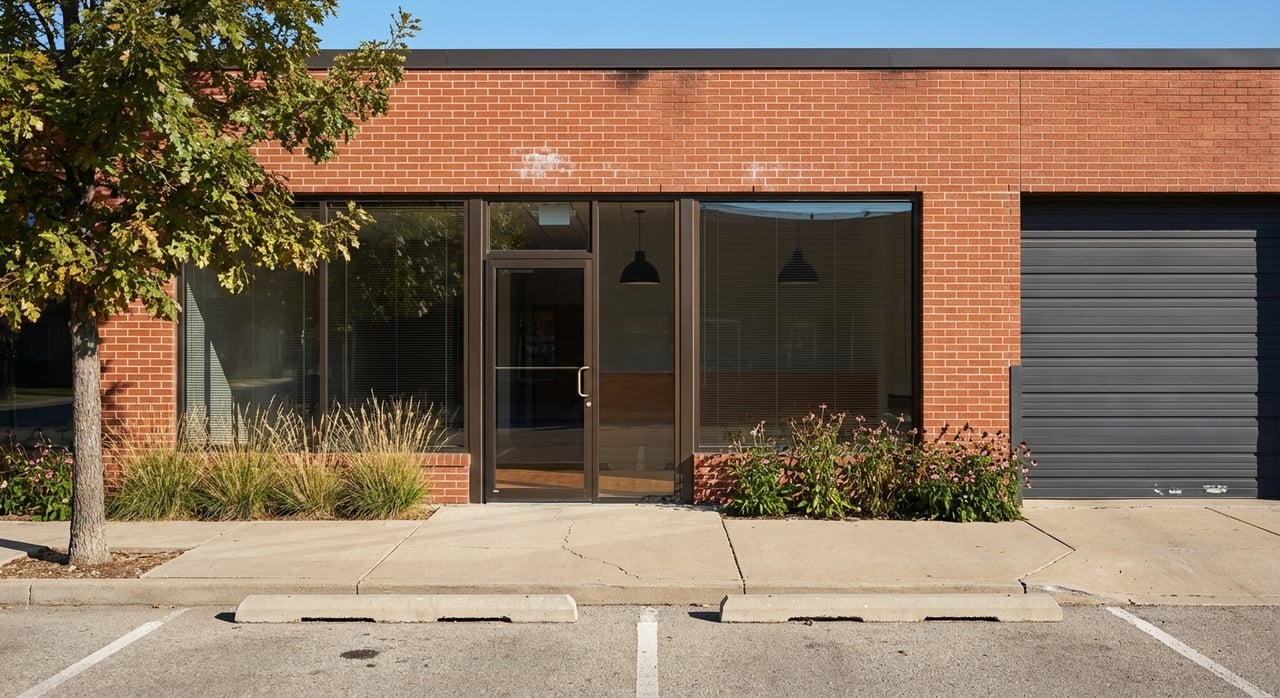
Buying your own building in Garden City can stabilize costs, build equity, and give you more control over your operations. If you’re weighing that move against renewing a lease, you’re not alone. Many local owners are asking the same question as our market grows and logistics demand stays strong. In this guide, you’ll learn how Garden City’s location and industry shape demand, what lenders look for on owner-occupied deals, and the due diligence that protects you before you sign. Let’s dive in.
Why buy in Garden City
Market signals that matter
Garden City’s estimated population is about 27,996, with Finney County around 38,354. Those figures, along with local income and age data, help you size customer demand and the labor pool. You can review the latest figures on U.S. Census QuickFacts for Garden City. The economy is anchored by agriculture and meat processing, with related cold storage and transportation needs supporting industrial and service space.
- Population and income context: review U.S. Census QuickFacts for Garden City for current metrics.
- Regional employers and project momentum: connect with Finney County Economic Development for current recruitment activity and contacts.
Location and access
Visibility and access are strengths here. Garden City sits near major U.S. routes, including US 50, US 83, and US 400, with state route connections like K 156. If your business relies on truck traffic, route proximity and turning movements can drive site selection. For route context, see the K 156 highway overview.
Property types and fit
Common owner-occupied options
- Office and professional suites (medical, dental, services)
- Retail storefronts and strip centers
- Flex, light industrial, and warehouse (including cold storage support)
- Free-standing restaurants
- Special-use properties (car wash, hotel, specialized food-service)
The SBA 504 program covers most owner-occupied categories like office, retail, industrial, mixed-use, and medical. Special-use properties often need more equity because resale markets are narrower. Review eligible uses on the SBA 504 program page.
Downtown vs highway locations
- Downtown: walk-in retail and niche services benefit from storefront visibility and foot traffic. Compare parking counts and signage allowances.
- Highway corridors: auto-oriented retail, quick-service concepts, and industrial users value easier truck routing, turning lanes, and drive-thru access.
Financing basics to discuss first
Loan options to compare
- SBA 504: long-term, fixed-rate financing for owner-occupied real estate. Typical structure is about 50 percent bank, 40 percent SBA debenture, and 10 percent borrower equity. See the SBA 504 overview.
- SBA 7(a): flexible when 504 is not a fit. Ask how your lender structures real estate under 7(a) given current SOP rules.
- Conventional: faster in some cases, but can require larger down payments and shorter amortizations.
Rules that shape your deal
- Owner occupancy: existing buildings must be at least 51 percent owner-occupied. New construction must start at least 60 percent owner-occupied (with limits on long-term leasing). These rules come from SBA SOP 50 10 8. Review the SBA’s SOP 50 10 8 notice and confirm with your lender.
- Equity injection: SBA 504 commonly expects about 10 percent borrower equity. Start-ups and special-purpose properties often require 15 to 20 percent. Confirm if a seller note can count and under what standby terms per the current SOP.
What to prepare for lenders
Have these ready before your first call:
- Business tax returns for 2 to 3 years, plus year-to-date P&L and balance sheet
- Personal tax returns and personal financial statements for guarantors
- Source of equity (cash, verified gifts, or eligible seller standby)
- Business plan and projections if you are a start-up or expanding capacity
- A use plan showing your owner-occupied percentage and any tenant space
- A project budget that includes purchase price, buildout, soft costs, and closing costs
- Basic property facts (zoning, roof and HVAC age, electrical capacity, known environmental issues). Lenders typically order the appraisal, Phase I ESA, title, and survey during underwriting. See the SBA 504 overview for standard steps.
Due diligence checklist
Zoning and permitted use
Confirm the parcel’s zoning, allowed uses, parking ratios, signage rules, setbacks, and whether you will need a conditional use. Ask for the current certificate of occupancy. Start with the City’s Zoning Regulations and Planning office.
Title, access, and surveys
Ask your broker or attorney to review title for easements, access rights, and special assessments. A boundary survey or ALTA/NSPS survey is often required at closing.
Building systems and code items
Verify roof age and warranty, HVAC condition, electrical service size (especially for restaurant or industrial loads), plumbing, ADA accessibility, and any required fire suppression. For restaurants, confirm hood and grease interceptor requirements with the city.
Environmental due diligence
Order a Phase I Environmental Site Assessment using ASTM E1527-21 that meets EPA’s All Appropriate Inquiries standard. This protects you from unknown historical contamination under federal rules and is often a lender requirement. Learn why AAI matters on the EPA’s AAI page. If Phase I flags concerns, a Phase II may be needed. You can also search state records through KDHE’s KEIMS system for historic underground tanks or remediation records at KDHE KEIMS.
Property taxes and assessments
Check current taxes, assessment trends, and any unpaid specials that could affect closing. Start with the Finney County Treasurer’s Property Tax page.
Permits and occupancy
Confirm prior permits and whether the space holds a current certificate of occupancy for your intended use. Some changes of use require plan review and new permits. The City’s zoning and permitting page is your reference.
Use and resale strategy
Flexibility and leasing
If resale or future leasing flexibility matters, favor buildings with simple floorplates, standard utilities, and adequate ceiling heights. SBA allows leasing a portion of a building financed with SBA proceeds, but you must remain within owner-occupancy thresholds. If your plan relies on tenant income above those limits, discuss conventional financing or structuring options with your lender and reference SOP 50 10 8.
Capital planning
Older buildings can require near-term capital improvements, such as roof replacements, HVAC, electrical upgrades, ADA work, or fire-safety updates. Build conservative capital reserves into your buy-versus-lease model.
Incentives and local programs
Finney County and local partners periodically offer programs that may affect renovation cost or taxes. Check with Finney County Economic Development for current options.
Your first 30 days: a simple plan
Talk to lenders about fit. Ask which product suits your deal (504, 7(a), conventional) and how they are applying SOP 50 10 8. Bring your last 12 to 24 months of financials and a basic project budget. See the SBA 504 program for typical structures.
Get the property facts. Ask the listing agent for zoning, current certificate of occupancy, rentable square footage, owner-occupied percentage plan, and roof/HVAC ages. That helps a lender confirm occupancy thresholds and likely equity.
Schedule a Phase I ESA early. Ordering it during underwriting saves time and protects you under EPA AAI rules. Read the EPA AAI guidance for what to expect.
Prioritize flexible buildings. If you might grow or downsize, choose space with adaptable layouts and standard utilities. If you expect to lease out a meaningful share, confirm SBA occupancy and leasing limits with your lender per SOP 50 10 8.
Quick pre-tour questions
- What is the parcel’s zoning and the current certificate of occupancy? If unsure, check the City’s zoning regulations.
- How much space will you occupy versus any tenants? Ask for a current rent roll if any spaces are leased.
- What are the ages and conditions of the roof, HVAC, and main electrical service?
- Are there known environmental issues, prior spills, or tank removals? If so, flag for a Phase I.
- What are the current property taxes and any special assessments? Verify through the Finney County Property Tax page.
Ready to shortlist sites or sense-check a deal in Garden City or across Southwest Kansas? Our commercial team pairs local market knowledge with investor-grade analysis so you can move with confidence. If you want help with site selection, zoning coordination, and transaction management, reach out to RE/MAX ONE to get started.
FAQs
What does “owner-occupied” mean for SBA loans in Garden City?
- For SBA-financed real estate, you must occupy at least 51 percent of an existing building or at least 60 percent of a new build initially. See the SBA’s SOP 50 10 8 notice and confirm details with your lender.
How much down payment is typical for an SBA 504 purchase?
- Many 504 deals expect about 10 percent borrower equity, with 15 to 20 percent common for start-ups or special-purpose properties. The SBA 504 page explains standard structures.
How do I confirm if my use is allowed on a Garden City property?
- Check the parcel’s zoning district, permitted uses, parking, and any conditional use requirements through the City’s Zoning Regulations and planning staff.
What environmental reports do lenders require in Finney County?
- Most lenders require a Phase I Environmental Site Assessment that meets EPA All Appropriate Inquiries (ASTM E1527-21). Learn why this protects buyers on the EPA AAI page.
How can I verify property tax amounts and timing in Finney County?
- Use the Treasurer’s Property Tax page to review billing information and payment process, and ask your title company to confirm any specials or liens at closing.